
Lore
Valyrian steel
Valyrian steel is an alloy of primarily iron that was forged in the days of the…
Careful, Your Grace. Nothing cuts like Valyrian steel.
Valyrian steel is an alloy of primarily iron that was forged in the days of the mighty Valyrian Freehold. When fashioned into bladed weapons, the steel can hold an especially keen edge, remaining sharp forever without the need for honing.

Aside from its sharpness, Valyrian steel is recognizable by its strength and light weight in comparison to ordinary steel, as well as by a distinctive rippled pattern visible in blades made from it. Along with dragonglass, Valyrian steel is one of the few known substances that can kill White Walkers, although this property is not widely known, apparently not even to the White Walkers themselves. Since the destruction of Valyria, the majority of the surviving Valyrian steel weapons serve as heirlooms in the various noble houses of Westeros.
Forging
No one's made a new Valyrian steel sword since the Doom of Valyria.
Like much of the Freehold's recorded knowledge, the secret of forging Valyrian steel was lost in the Doom of Valyria. After this point, creating new Valyrian steel weapons became impossible, so the original method can only be speculated: Some stories claim that the metal was imbued with magic spells and forged with dragonfire, though no one can confirm or deny this. Whatever the case, the material was expensive even during the Freehold's apex, so by the time of the Doom, Valyrian steel swords such as House Stark's Ice were already valued heirlooms passed down from one generation to the next in powerful noble families.

Skilled smiths can reforge Valyrian steel weapons by melting down existing ones, but it's a difficult process. The master-blacksmiths of Qohor are among the very few who can accomplish this feat, but even they don't know how to create entirely new Valyrian steel, and are famously secretive about how the reforging process works. Two smaller Valyrian steel swords can be made out of a larger greatsword, or a large greatsword made by melting down multiple smaller swords, but the amount of Valyrian steel in the world is finite and extremely rare.

Some maesters bear a Valyrian steel link in their chain, a sign that said maester has studied the "higher mysteries" - magic. This field of study, however, is mostly theoretical, and its primary purpose is to demonstrate that magic, if it ever existed, is now extinct.
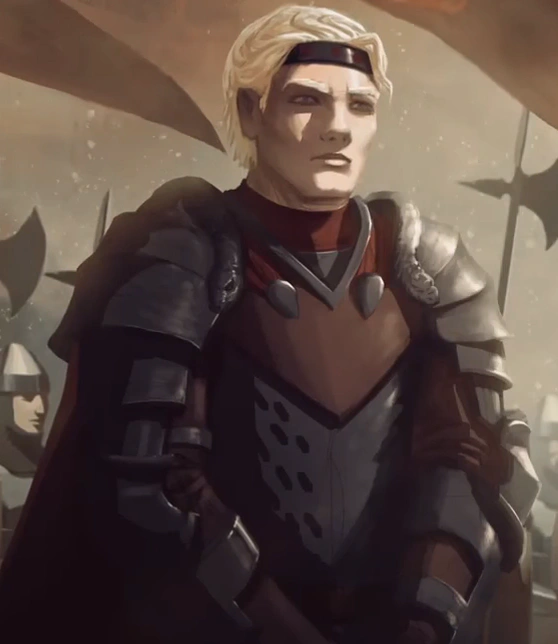
While rare, Valyrian steel armor also exists. Aegon the Conqueror famously wore Valyrian steel armor during the Conquest. Afterward, it was worn by his namesake King Aegon II Targaryen during the Dance of the Dragons. Valyrian steel armor is believed to be incredibly expensive, and worth more than a castle.
Weapons
Heartsbane, the ancestral sword of House Tarly. It was taken by Samwell Tarly before leaving for Oldtown, and Sam gave it to Jorah Mormont to wield in the Battle of Winterfell.
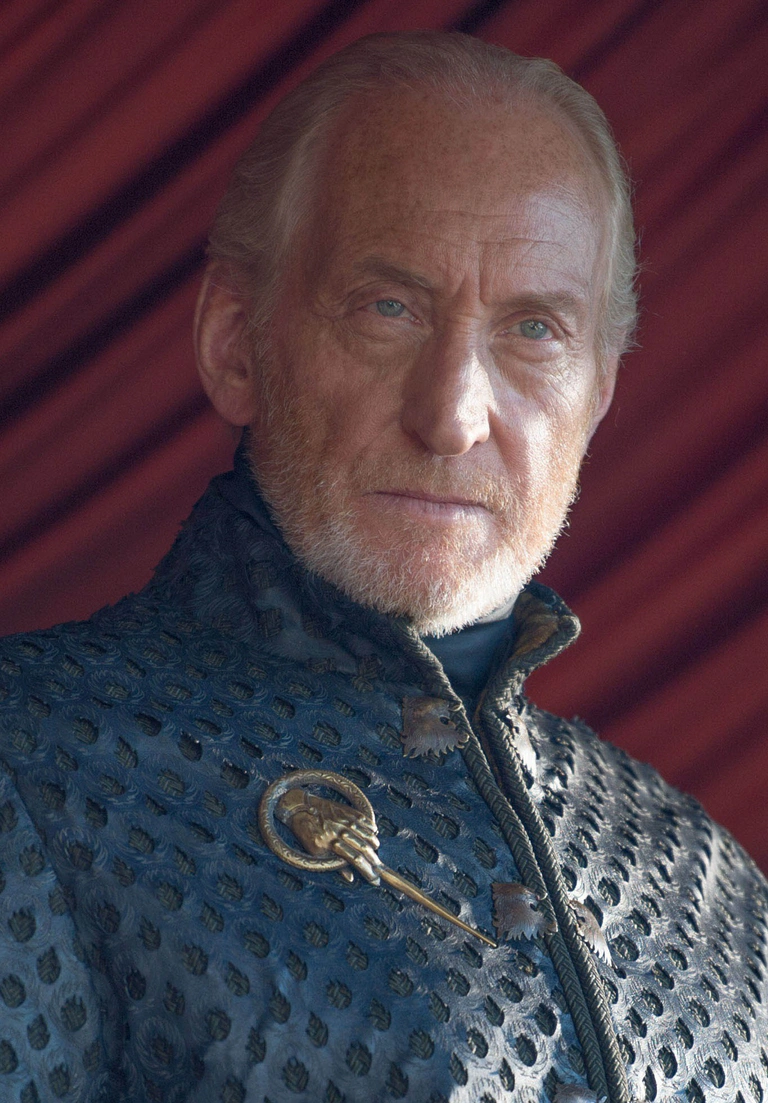
Ice, the ancestral greatsword of House Stark. Captured by House Lannister when Eddard Stark was taken prisoner, it was used by Ilyn Payne to behead Lord Stark at Joffrey Baratheon's command. After the Red Wedding and defeat of House Stark, Tywin Lannister had it reforged into two smaller longswords, one given to his son, Jaime, the other to his grandson, Joffrey Baratheon.
Oathkeeper, the first longsword made from Ice. It was given by Jaime Lannister to Brienne of Tarth, who named it and now wields it in service to Sansa Stark.
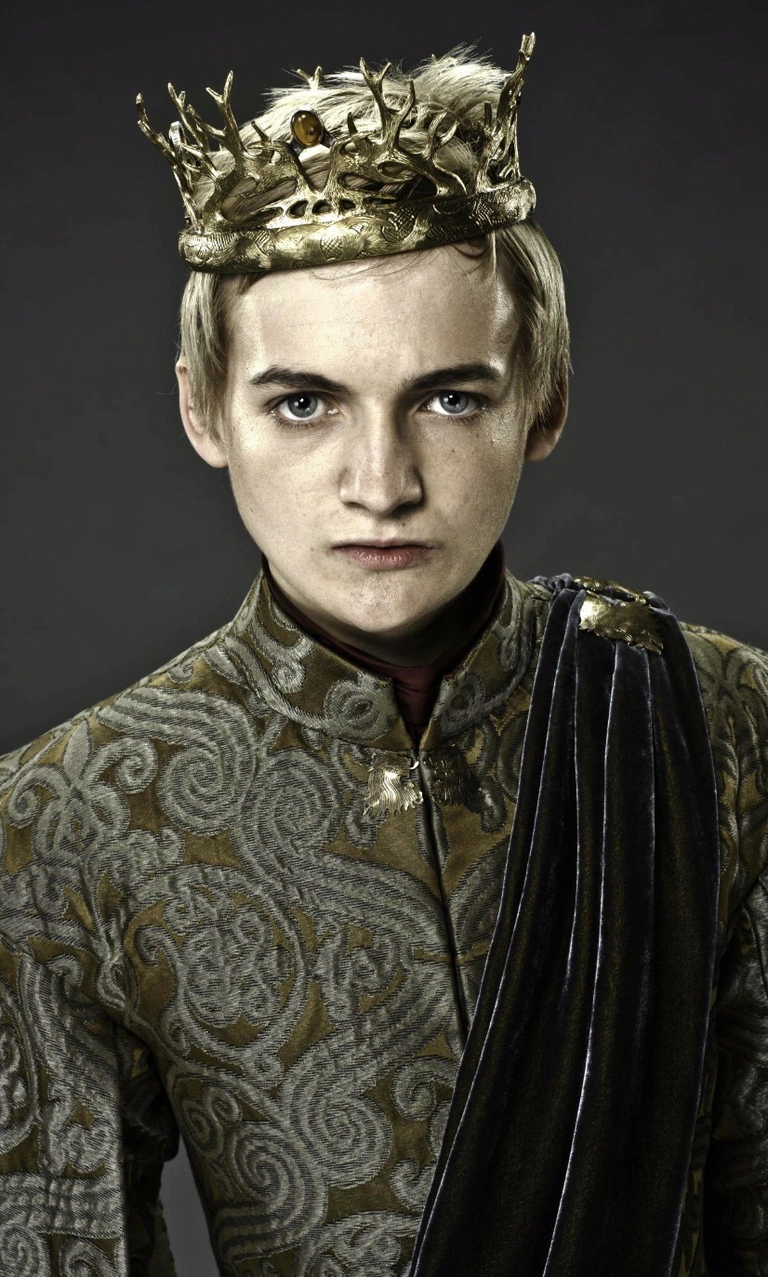
Widow's Wail, the second longsword made from Ice. It was given to Joffrey Baratheon as a wedding gift, who named it to suit his petty cruelty. Following his death, it was eventually reclaimed by Jaime, who unlike Joffrey is actually capable of using it in combat.
Lady Forlorn, the ancestral sword of House Corbray.
Longclaw, the ancestral bastard sword of House Mormont, given by Jeor Mormont to Jon Snow.
Nightfall, a sword belonging to Dalton Greyjoy.
An unnamed Valyrian steel dagger, wielded by an assassin who attempted to kill Bran Stark with it. It previously belonged to Petyr Baelish, who lied about losing it in a bet to Tyrion Lannister. Littlefinger recovered the dagger from Ned's chambers, and would attempt ingratiate himself with Bran years later by gifting it to him. Bran, being crippled from the waist down, felt the dagger would be wasted on him, and so he gave it to his sister Arya Stark, who'd returned to Winterfell and now carries it. She uses it mostly as an auxiliary blade, as her favored weapon is still the smallsword Needle (which is made of castle-forged steel). Arya uses the dagger to kill the Night King, whose death destroys all the other White Walkers and their wights, winning the Battle of Winterfell and ending the Great War.
Blackfyre, the ancestral sword of House Targaryen, once wielded by Aegon the Conqueror, lost during the Blackfyre Rebellion.
Brightroar, the ancestral sword of House Lannister, lost by King Tommen II Lannister on his expedition to Valyria.
Dark Sister, a longsword of House Targaryen, held by Visenya Targaryen, lost during the Blackfyre Rebellion.

Armor
Daemon Targaryen's helmet is made of Valyrian steel. It is adorned with the head and wings of a dragon.
Aegon the Conqueror possessed a suit of Valyrian steel armor. King Aegon II Targaryen dons it as he prepares to march to war.
Jewelry
The crown of Aegon the Conqueror.
A Valyrian steel necklace with a ruby on the pendant, gifted to Rhaenyra Targaryen by her uncle Daemon.
In the books
In A Song of Ice and Fire novels, only the blacksmiths of Qohor are skilled enough to reforge Valyrian steel. The Season 4 premiere of the TV series, however, oddly had Tywin say that only three men in the known world know how to reforge it, and that he hired a blacksmith from Volantis to reforge Ice into two other swords. In the books, Ice was reforged by Tobho Mott, a Qohorik master blacksmith who moved to King's Landing years ago, and to whom Gendry was apprenticed. This is all the more strange because Mott was actually introduced in the TV series in Seasons 1 and 2, so it is unclear why the TV series would then shift away from this plot point (it's possible that the actor was unavailable for Season 4). Either way, the Histories & Lore animated short from the Season 2 Blu-ray set had already stated that it is the blacksmiths of Qohor who are famed for their ability to reforge Valyrian steel.

According to legend, Valyrian steel was forged with dragon-fire and infused with magical spells - some say with bloodmagic, literally requiring "fire and blood" (like House Targaryen's motto). Having been forged with dragon fire, Valyrian steel is incredibly resistant to damage from normal fire.
As in the series, the maesters of the Citadel possess some meager skill with the material, if only to provide Valyrian steel links to the few maesters who study magic. Only 1 in about 100 Maesters has a Valyrian steel link in his chain, and the archmaester of the field also possesses a ring, a rod, and a mask made from the metal. The rarity of such links isn't because it's a difficult practice to master, but because most Maesters are notoriously anti-magic, while others even refuse to believe such a force still exists in the world, or that it ever did to begin with.
In A Feast for Crows, Samwell Tarly tells Jon Snow about old annals claiming that "dragonsteel" is lethal to the White Walkers, like dragonglass - they both suspect that "dragonsteel" is another name for "Valyrian steel", but haven't been able to put it to the test yet. This would be contradictory as the Wall and Winterfell existed thousands of years before Valyria was even founded, unless, perhaps, it did not actually originate in Valyria. In the show, this it is confirmed that the two are the same when Jon Snow kills a White Walker during the massacre at Hardhome.
Although Valyrian steel blades are scarce and costly, several hundred of them are known to exist in the world, approximately two hundred in Westeros alone. Most of them are swords, but there are a few daggers and axes as well. Valyrian steel can be identified by its unusual dusky color, distinctive rippled pattern, and the extreme sharpness of the blade.
There are hundreds of Valyrian longswords in the world, but only a handful of Valyrian arakhs. One of those is carried by Caggo, one of the captains of the Windblown sellsword company.
House Drumm have their own Valyrian steel weapon, a sword called Red Rain.
Brightroar, the Valyrian sword of House Lannister, was lost in an expedition to Valyria centuries ago. An attempt to find it, led by Tywin Lannister's younger brother Gerion, apparently ended in failure, with no-one returning from the expedition. At least three times Tywin offered to buy Valyrian longswords from impoverished lesser houses, but his offers were firmly rejected. The little lordlings would gladly part with their daughters should a Lannister come asking, but they cherished their old family swords. This is what Jaime was referring to in "Two Swords" when he says that Tywin has wanted a Valyrian steel sword in the family for a long time.
Suits of armor can also be fashioned of Valyrian steel, and would have been worth a kingdom even before the Doom. While Valyrian steel swords are rare in Westeros, Valyrian steel armors are even rarer - Euron Greyjoy is the only known person in Westeros who possesses such armor, which is enough to convince even his enemies that he has indeed successfully returned alive from the ruins of Valyria. It is never mentioned in the books whether Aegon the Conqueror ever wore armor made of Valyrian steel. His armor consisted of a shirt of black scales of an unspecified metal, but he did wear a Valyrian steel circlet and wielded Blackfyre, a bastard sword forged from Valyrian steel.
Sources
Adapted from the original article, under CC BY-SA 3.0.